The internet is a wonderful place. You can find photos of places you want to visit, maps of your favourite mountain ranges, tutorials on how to bake the perfect birthday cake…the list goes on. In recent years, however, there has been a marked increase in the number of people using the internet to obtain a specific type of intelligence, health information.2
In fact, a study by The University of Illinois suggests that 80 percent of people look online to diagnose their symptoms, making it the third most popular thing to do online, following email and search engine usage.3
So, what does this new era of digital health information and self-diagnosis really mean for patient outcomes?
Patients as a group are far more knowledgeable about their condition than they are given credit for.4 Perhaps that is not so surprising, given that we know our own bodies better than anyone else. For this reason, you could argue that it makes sense to give patients autonomy to learn about and identify their condition. Diagnosis would be faster, the burden on the healthcare system reduced, what’s not to love?5 Sadly, it is just not that simple and though there are definite benefits to self-diagnosis, there are huge question marks overhanging safety and patient outcomes.
For example, the misidentification of symptoms resulting in false results. This would likely occur due to the fact that not all symptoms are visible to the naked eye i.e. high blood pressure.5 It is the omission of these key symptoms could lead to incorrect diagnoses. Consequently, patients who are suffering from a serious health condition may continue with their life unbeknownst to the fact that they should be seeking urgent medical attention. A good example of such a scenario would be the misclassification of a common cold for COVID-19. In this instance, health complications are likely to occur resulting in poor patient outcomes and increased burden on the healthcare system to provide timely interventions.
Furthermore, self-diagnosis tools often have an overwhelmingly large amount of conditions to choose from. If patients do not deem certain symptoms as significant, it could be very hard to determine what is wrong from a list of seemingly very similar diagnoses.5 The worry is that patients would wait longer until their symptoms are exacerbated, and they believe they can make a clearer call. During this time, important points in the patient journey could be missed, resulting in health deterioration.
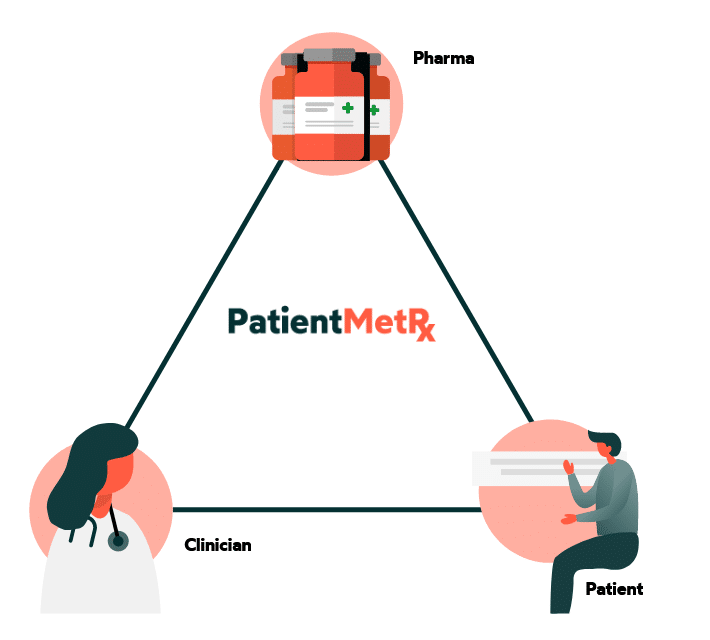
So maybe patients shouldn’t be left entirely alone to complete a diagnosis, but that does not mean time invested by patients to understand their condition should go to waste. Informed patients and clinicians could work together to collect and analyse information to gain faster diagnoses and better therapy matches.6 Given the short appointments GP’s tend to work with, knowledgeable patients could really benefit their own outcomes in this way.
In terms of self-diagnosis tools, at the moment, it is fair to say that they are not very viable as a stand-alone solution. However, we should not forget about the potential value they could bring. In time there will be tools that are verified and endorsed by medical professionals, are built from reliable sources and that produce consistently correct diagnoses. These tools in unison with predictive AI technologies, patient insights and improved collaboration between healthcare professionals, patients and pharmaceutical companies will undoubtedly be the key to happier, healthier individuals and better patient outcomes overall.
References:
- Picture of mobile phone showing apps (https://unsplash.com/photos/B_j4LJbam5U)
- https://www.beckershospitalreview.com/healthcare-information-technology/72-of-consumers-use-the-internet-to-find-healthcare-info-6-survey-findings.html
- https://healthinformatics.uic.edu/blog/study-shows-that-most-people-look-online-for-health-information/
- https://www.ncbi.nlm.nih.gov/pmc/articles/PMC4785240/
- https://www.news-medical.net/health/The-Impact-of-Self-Diagnosis-on-the-Healthcare-Industry.aspx
- https://www.nice.org.uk/news/blog/working-together-to-put-patients-at-the-heart-of-decisions-about-their-care