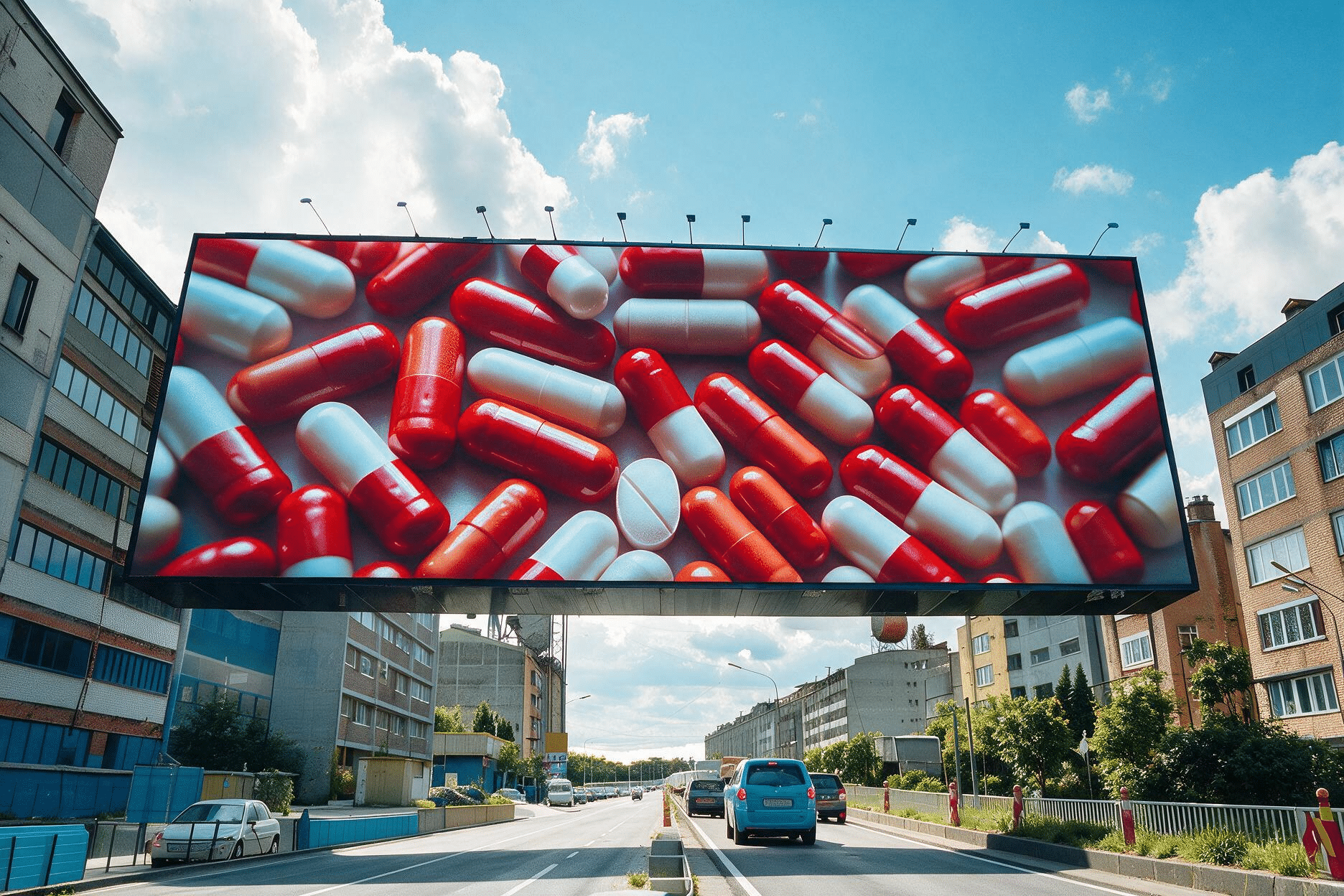
Recently a new chapter quietly began in healthcare. GLP-1 therapies, already reshaping the landscape of obesity and metabolic care moved closer to a subscription-based model, with oral formats accelerating access beyond traditional clinical pathways.
On the surface, this is about convenience. Easier access, simpler formats, more continuity of care. But underneath, something more fundamental is shifting. The line between Patient and consumer is becoming increasingly indistinct.
From Prescription to Subscription
Historically, medicines have sat firmly within a clinical framework: prescribed, monitored, and accessed through healthcare systems. The rise of GLP-1s, particularly in tablet form combined with subscription-style access models, introduces a different dynamic. This is not just treatment. It begins to resemble a service.
A service that is:
- Ongoing rather than episodic
- Branded and experience-driven
- Accessed through digital-first pathways
- Influenced by awareness, perception, and demand
In other words, it starts to behave like a consumer product – while still carrying all the weight and responsibility of a medicine.
The New Behavioral Reality
As this shift unfolds, the behaviors surrounding medicines evolve with it.
People are no longer just receiving treatment – they are:
- Actively researching options
- Sharing experiences publicly
- Comparing outcomes and expectations
- Influencing others at scale
The conversation moves beyond the clinic into everyday life, social platforms, communities, and peer networks. This is where perception is formed, shaped, and amplified. And crucially, this is happening whether Pharma is actively participating or not.
Why This Matters for Pharma
This emerging model challenges long-standing assumptions.
If access begins to mirror consumer subscriptions, then understanding real-world perception and behavior becomes as important as understanding clinical efficacy.
But this is not about adopting consumer marketing tactics.
It is about recognizing that:
- Messaging now lives far beyond controlled channels
- Interpretation varies across real-life contexts
- What resonates in the real world is not always what was intended
The risk is not lack of reach, it is lack of understanding.
From Activity to Causality
At Talking Medicines, we see this shift as a turning point.
Through DrugVoice, we analyze large-scale, unstructured real-life health data to understand how medicines are discussed, experienced, and interpreted. At the core of this is the Message Resonance Score™ – a predictive measure of how messaging aligns with real-world behavior.
In a subscription-like model, this becomes critical.
Because the question is no longer:
- Was the message delivered?
But:
- Did the message resonate in a way that shaped real-life understanding and behavior?
And more importantly:
- Can we evidence that impact?
The Blurred Future
GLP-1 subscriptions are not an isolated trend, they are an early signal.
A signal that healthcare is entering a phase where:
- Access models evolve
- Patient expectations shift
- Consumer behaviors influence health decisions
Yet, the stakes remain uniquely high. These are still medicines, not products. The need for compliance, responsibility, and evidence has never been greater.
A New Discipline for a New Reality
As Patient and consumer identities converge, Pharma faces a new challenge:
Not to control the narrative,
Not to optimise behavior,
But to understand, predict, and evidence how messaging translates into real-world impact.
Because in this blurred space, perception is not a side effect – it is part of the outcome.
The GLP-1 moment is not just about a new class of drugs.
It is about a new way medicines exist in the world.
And understanding that world at scale, with evidence is now essential.