
Quotes have been lightly edited to protect anonymity while keeping the original meaning and tone.
GLP-1 medications are some of the most talked about treatments of the decade. But listen closely to what Consumers are saying online right now, and a different conversation is emerging. It’s less about the branded products themselves, and more about what people do when they can’t get them.
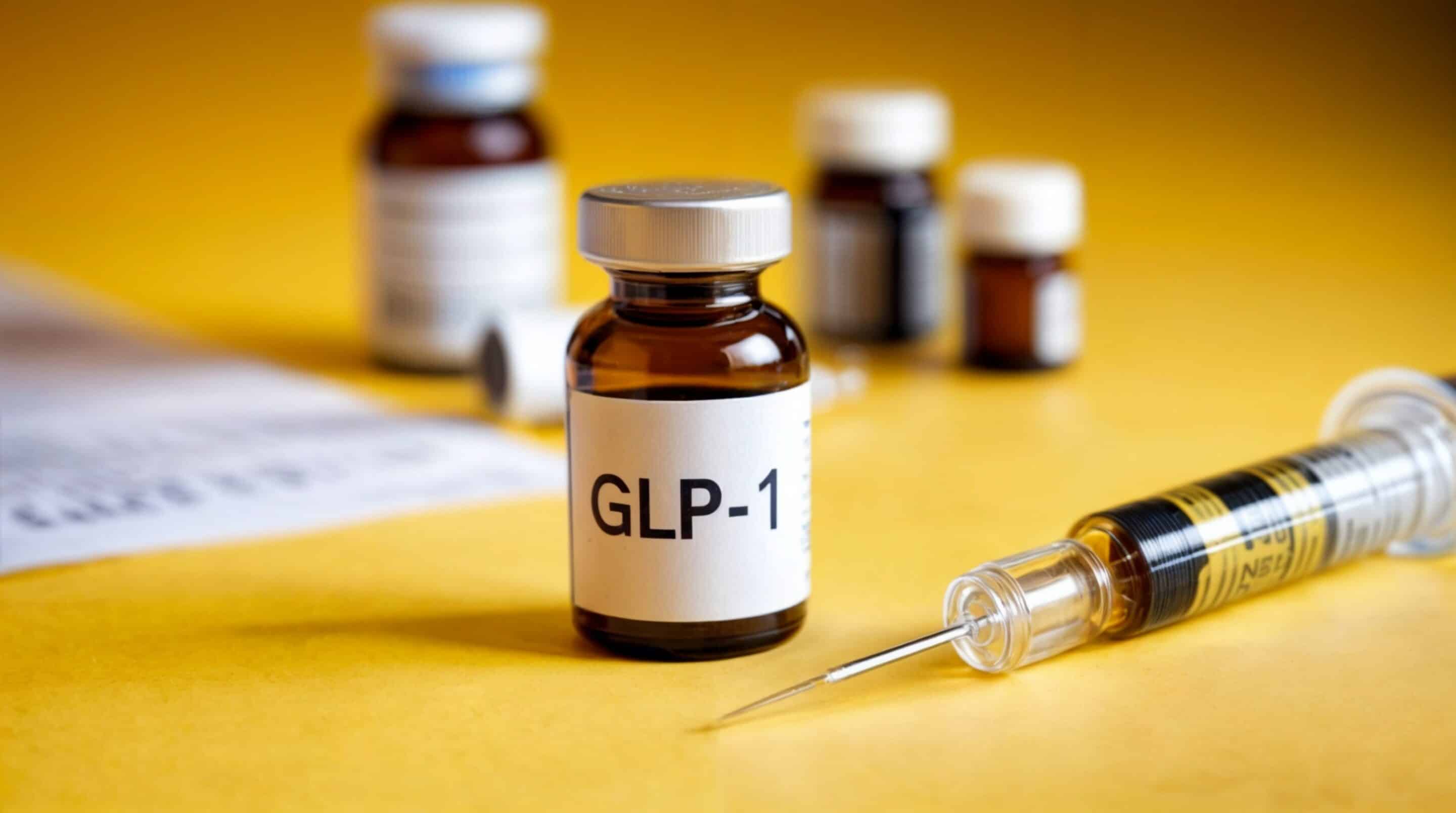
As cost and supply issues have strained access to branded GLP-1s, more Consumer conversation is turning to compounded alternatives. Prepared by compounding pharmacies or FDA-registered outsourcing facilities, compounded GLP-1 products may be formulated to meet an individual Patient’s medical needs, without necessarily requiring the same rigorous testing as ‘branded’ drugs.
The FDA has announced further action concerning non-FDA-approved compounded GLP-1 products and proposed additional restrictions on their large-scale compounding in 2026. The regulatory position continues to develop. So, what does the real Consumer experience look like? Here’s what we’re hearing in real-life discussions.
It starts with cost
Cost is a prominent reason Consumers give for choosing compounded GLP-1s, with some reporting monthly savings of more than 50% compared with ‘branded’ options. For others, it isn’t really a choice at all. Some describe their insurance refusing to approve a branded GLP-1 for certain conditions leaving a compounded alternative as the only way forward for some to start or stay on treatment. That framing matters. For many Consumers, this decision isn’t about weighing up risk. It’s about access.
The conversation people are afraid to have
One of the most striking themes is how people feel about telling their doctor that they are talking a compounded GLP-1. We hear some Consumers assumed their HCP would be upset, and many share real anxiety about raising it at all. Fear of seeking medical guidance or rejection is driving Consumers to research and subscribe to compounded GLP-1s online without speaking to their HCP first. Others describe altering their dose – without medical advice. When the professional best placed to guide treatment feels like an obstacle rather than an ally, Consumers simply route around them.
No two HCP experiences are the same
There’s no single HCP story in this conversation. Instead, there’s real discordance. Some Consumers mention their HCPs who are supportive of their move to a compounded alternative, and some who actively work with a local compounding pharmacy to make it happen.
Others have a very different experience. Some say that after a negative reaction from their HCP about the mention of compounded alternatives, they never brought the subject up with their HCP again. Some went to different HCPs after being refused prescriptions of a compounded alternative. We also see Consumers describing HCPs who are hesitant to prescribe GLP-1s at all because of potential side effects such as dehydration, and those Consumers then seek a prescription directly through compounding pharmacies.
In some reported experiences, a negative HCP response did not end the Consumer’s search; instead, Consumers describe seeking alternatives elsewhere, potentially with less medical oversight.
“If my doctor decides one day to stop prescribing me GLP-1s, there are unlimited other ways to get both name brand and compounds.”
Where safety slips through the cracks
Some of the experiences shared are genuinely concerning. One Consumer reported that a compounded GLP-1 had been left unrefrigerated for a couple of weeks after delivery and was subsequently used. The conversation does not establish whether the product’s quality or safety was affected.
While some Consumers describe keeping both branded and compounded GLP-1s at home, with some reporting taking both at the same time. This raises potential concerns about duplicate dosing and other complications. Without sufficient medical oversight, this raises serious concerns about how Consumers view the potential benefits, and risks of compounded GLP-1s. These aren’t just isolated anecdotes but are symptomatic of what can happen when treatment decisions move out of the consulting room, and into the comments section.
The voice of moderation
Not everyone is diving in without sufficient understanding. Some Consumers openly recognize the potential risks of compounded medication. Others say they’d feel more confident sourcing a compound locally. Others question the storage and quality of what they’re receiving.
Yet despite these concerns, many aren’t necessarily changing what they actually do.
In fact, in the conversations analyzed, positive Consumer-reported experiences, including cost savings, perceived reductions in side effects and customized dosing, appear more prominent than expressions of concern about risk.
What this means
For Pharma, HCPs and anyone supporting people on GLP-1 treatment, a few things stand out:
- Decisions are being made before the appointment. Consumers are researching, comparing and choosing online, often before an HCP is involved, if involved at all.
- Fear of judgement creates risk. When people expect a negative reaction from an HCP, they stay silent, and silence means less medical oversight.
- Inconsistency drives people elsewhere. Mixed responses about compounded GLP-1s from HCPs push some Consumers to keep looking until they find a ‘yes’.
- The “why” matters. Cost, Access and Control are important themes for Pharma and HCPs to understand when considering how compounded GLP-1 use is discussed.
The real Consumer experience means listening to what people say when outside the consulting room. That’s where the gap between guidance and behavior shows up first.
Coming up next: the rise of the custom dose
One theme kept surfacing that deserves a closer look. Some Consumers say they chose a compounded GLP-1 specifically because it lets them customize their dosage. In our next blog, we’ll explore what’s driving that desire for control, and what it tells us about how people want to manage their own treatment.
References
Source: Talking Medicines analysis of Socialgist Consumer conversations in November 2026. Surrounding messages are illustrative. Verbatims have been lightly edited to protect anonymity while keeping the original meaning and tone.